Formula overview
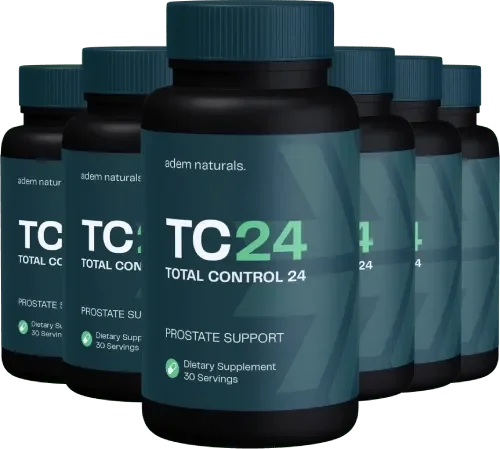
Ingredients commonly highlighted in TC24 information.
The reference website describes a blend of botanical extracts, plant sterols, antioxidants, vitamins, and minerals. Verify the current Supplement Facts panel because ingredient forms and dosages matter, and online descriptions may change.
01Saw palmetto
Saw palmetto is one of the best-known botanicals in prostate supplements. It has been studied for lower urinary tract symptoms, but evidence is mixed. The National Center for Complementary and Integrative Health notes that a 2023 review found saw palmetto alone provided little or no benefit for BPH symptoms. It may be well tolerated by many adults, though mild stomach discomfort is possible.
02Beta-sitosterol
Beta-sitosterol is a plant sterol found in many foods and supplements. Older research has explored its effect on urinary symptom scores and flow measures. Even where an ingredient shows promise, the study dose, extract quality, duration, and participant population may differ from a commercial blend, so the label should be compared carefully with the research.
03Pygeum africanum
Pygeum is derived from the bark of the African plum tree and has a history of traditional use for urinary concerns. Some clinical reviews have reported possible short-term symptom improvements, while questions remain about product standardization and the strength of evidence. Sustainable sourcing is also a worthwhile consideration for bark-derived ingredients.
04Stinging nettle root
Stinging nettle root appears in combination formulas for urinary and prostate wellness. Research has examined it alone and alongside other botanicals, but combination studies make it difficult to know how much any single component contributes. People using blood pressure, diabetes, diuretic, or blood-thinning medicines should discuss herbal products with a clinician or pharmacist.
05Quercetin
Quercetin is a flavonoid present in foods such as onions, apples, and berries. It is often discussed for antioxidant and inflammatory pathways. Supplemental amounts can be much higher than normal dietary exposure. Anyone with kidney concerns, medication interactions, or multiple supplements should seek individualized advice before using concentrated quercetin.
06Lycopene
Lycopene is the red carotenoid found in tomatoes and other red or pink produce. It contributes to antioxidant activity in the diet and is frequently included in men's health formulas. Research does not establish lycopene supplements as a treatment for BPH or another prostate disease, so it is better viewed as a nutritional component than a therapeutic promise.
07Zinc
Zinc is an essential mineral involved in immune function, protein synthesis, DNA synthesis, and many enzyme reactions. More is not necessarily better. Excessive supplemental zinc can cause nausea and interfere with copper status, and it may interact with certain antibiotics. Add up zinc from TC24, multivitamins, lozenges, and other products before judging total intake.
08Vitamin D3
Vitamin D supports bone health, muscle function, and immune processes. A blood test and clinical context are more useful than guessing whether someone is deficient. Because vitamin D can accumulate, high combined intake from several products should be avoided unless supervised. Confirm the amount per serving and compare it with any vitamin D already being used.
09Green tea extract
Green tea extract supplies catechins such as EGCG in concentrated form. It differs from drinking ordinary brewed tea, and some extracts may contain caffeine. Concentrated green tea products have occasionally been linked with liver injury, particularly when taken in high doses or on an empty stomach. Check the label for caffeine content and stop use if concerning symptoms appear.
10Broccoli-derived compounds
Cruciferous vegetables contain compounds that are studied for cellular and hormone-related pathways. Supplements may use broccoli extract or related ingredients such as DIM. The form and dose determine exposure, and a capsule should not replace vegetables, fiber, or an overall balanced eating pattern. People taking medication should check for relevant interactions.
11Selenium
Selenium is an essential trace mineral that contributes to selenoproteins involved in antioxidant defenses, thyroid hormone metabolism, DNA synthesis, and reproduction. The safe range is relatively narrow compared with some nutrients. Excessive long-term intake may cause hair or nail changes, gastrointestinal symptoms, and other adverse effects, so total intake matters.
12Pomegranate extract
Pomegranate supplies polyphenols and is commonly promoted for antioxidant support. Concentrated extracts are not equivalent to eating the whole fruit and should not be assumed to control PSA or treat prostate disease. People using warfarin, blood pressure medicines, or other prescriptions should ask a healthcare professional whether a concentrated extract is appropriate.